
On the record
Film criticism, discoveries, and explainers
Film writing and legal discovery
Spotlight
In this issue
-
Why Film Sets Record Room Tone After a Scene
How a short recording of a location's ambient sound helps dialogue editors smooth cuts, fill gaps and preserve a believable acoustic background.
-

What Foley Artists Actually Record for Movies
Why footsteps, clothing, props and physical interactions are often performed again in post-production, and how Foley differs from production sound and sound effects libraries.
-
How Movies Make Night Scenes Visible Without Making Them Look Like Day
How cinematographers balance motivated light, exposure, contrast, color and practical sources so audiences can read a night scene while still believing it is dark.
-
What Is Color Grading? Why a Movie's Final Look Is Not Just a Camera Filter
How color correction and creative grading shape consistency, contrast, exposure and color relationships after filming, and why grading is more than applying a preset.
-
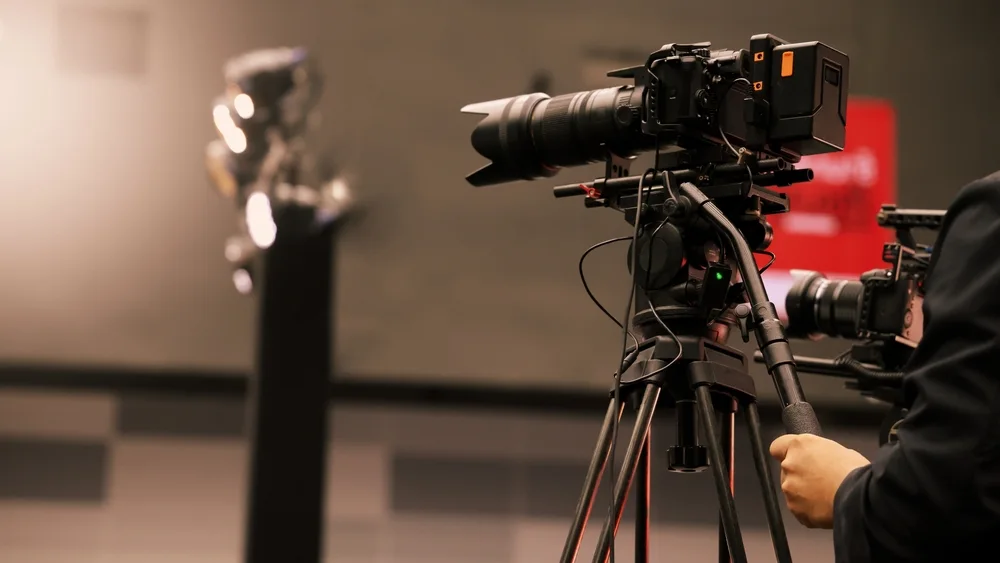
How Focus Pullers Keep Moving Actors Sharp in Movie Scenes
What a first assistant camera does during a take, why focus marks matter, and how modern wireless tools support one of filmmaking's least visible precision jobs.
-
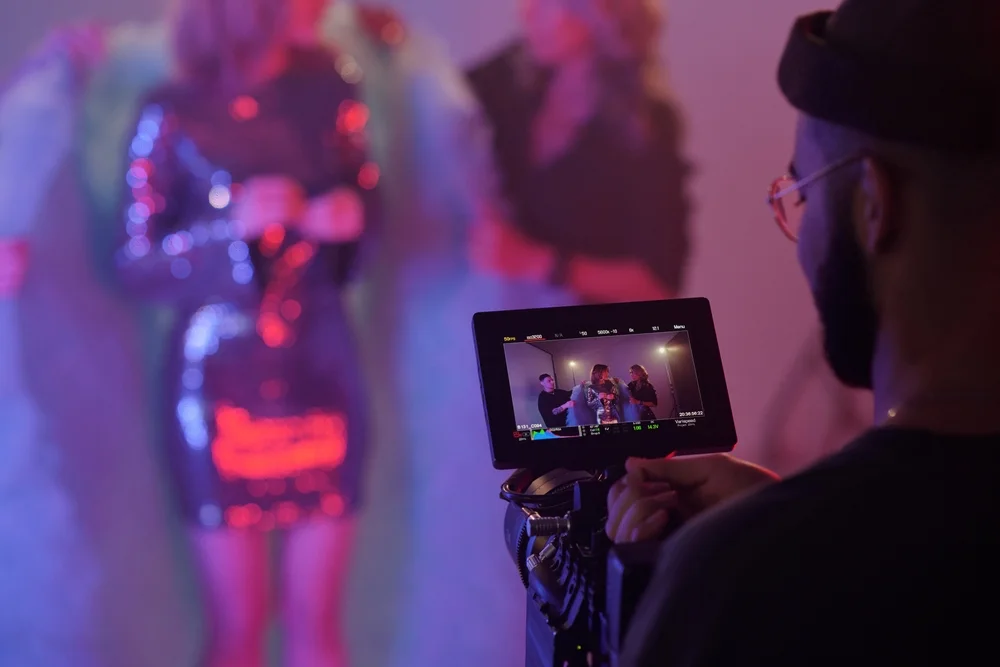
Why Some Movie Backgrounds Are Blurry: Depth of Field Explained
A practical explanation of depth of field and how aperture, focal length, camera distance and sensor or film format shape what appears sharp in a movie frame.
-
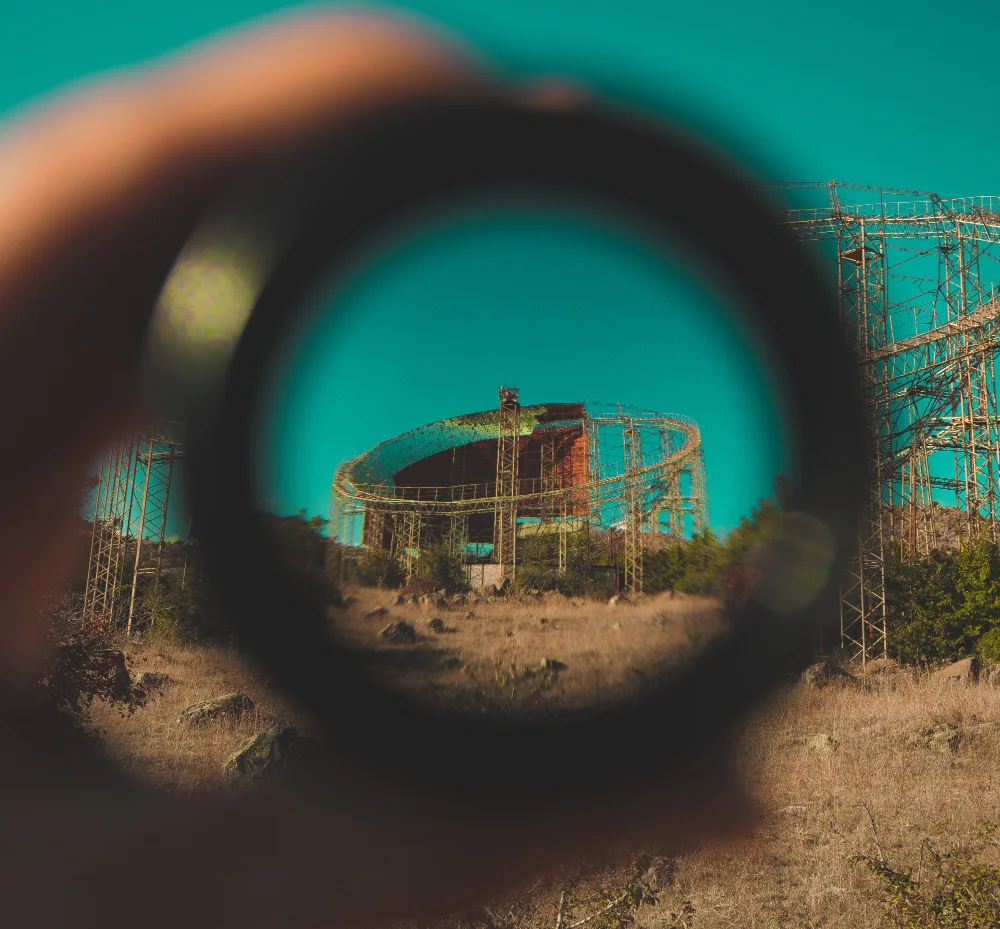
Why Anamorphic Lenses Make Movies Look Different
How anamorphic lenses squeeze a wide field of view onto an image area and why their flares, bokeh, distortion and focus behavior became part of cinematic visual language.